Personal Training: What Working with a Fitness Coach Is Really Like
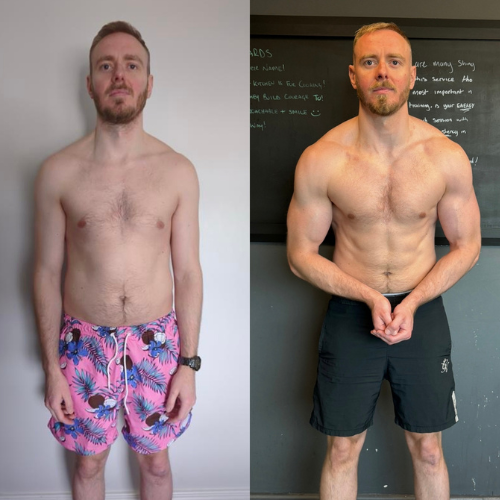
Scroll fitness socials and you’ll see shredded bodies, complex workouts and the promise of “quick fixes.” But here’s the reality: real, lasting change hinges on structured programming, intelligent nutrition and accountability—precisely what a qualified personal trainer or online coach delivers. Whether you train in a studio, a garage gym or your living-room, working with a professional removes the guesswork and turns effort into measurable progress.
This guide (1 600+ words) dives into the nuts and bolts of personal training: what a coach actually does, how sessions flow, the pros and cons of in-person versus online coaching, and how to pick the right trainer. You’ll also find ten practical links to Open to Change coaching resources so you can start applying the principles today.
The Many Hats of a Personal Trainer
Think of a great trainer as five professionals in one:
- Assessor & Strategist. First, they measure your fitness baseline—movement screens, body-comp checks, lifestyle audit—and set SMART goals.
- Programme Architect. Using those data points, they design a tailored workout plan that balances strength, cardio and mobility for maximum efficiency.
- Nutrition Guide. From calculating macros to suggesting meal templates, trainers marry training volume with fueling needs via nutrition support.
- Motivator & Accountability Partner. Progress check-ins, habit tracking, and constructive feedback keep you consistent—no more “I’ll start Monday.”
- Safety Officer. Proper form instruction plus injury-prevention strategies (mobility drills, load management) protect joints and longevity.
Whether these roles unfold face-to-face or via an app, they cover every variable that drives sustainable results.
Anatomy of a Personal Training Session
1 · Dynamic Warm-Up (5–10 min)
Your fitness coach leads mobility flows and activation drills to raise core temp, prep joints and fire neural pathways. Skipping this step is like revving a cold engine—eventually something breaks.
2 · Main Training Block (30–45 min)
Here’s where specificity shines:
- Strength Blocks. Squats, presses, rows—compound lifts that recruit multiple muscles. Load and tempo match your experience.
- Conditioning Sets. HIIT circuits or sled pushes to spike heart rate and metabolic demand.
- Skill & Isolation. Glute med work, rotator-cuff drills, core anti-rotation moves round out balanced development.
3 · Cool-Down & Education (5–10 min)
Static stretches, breathing resets and recovery pointers (protein timing, hydration, mind-body coaching) finish the hour. Clients leave clear on next-day targets, not guessing.
In-Person vs. Online Coaching—Which Fits You?
| Feature | In-Person PT | Online Coach |
|---|---|---|
| Form Correction | Hands-on, immediate | Video feedback within 24 h |
| Scheduling | Fixed slots, location-bound | Workout anytime, anywhere |
| Cost | £40–£70 per session average | From £99 / month incl. programme, chat, videos |
| Equipment | Full commercial gym | Home kit, park or gym—flexible |
| Accountability | During session only | Daily habit and check-in tracking |
Bottom line: Beginners who crave hands-on guidance may start in person. Busy professionals or self-starters often thrive with online coaching membership thanks to cost savings and schedule freedom.
Five Stand-Out Benefits You’ll Feel Quickly
- Custom Blueprint. No more random YouTube mash-ups—every rep has intent, based on your movement patterns and goals.
- Faster Results. Proper load progression and recovery guidelines eliminate plateaus. Expect strength PRs within weeks.
- Safety & Technique. Injury-free progress = uninterrupted gains. Trainers spot “butt wink” squats before your spine does.
- Motivation on Tap. When discipline dips, a coach’s nudge keeps workouts non-negotiable.
- Education for Life. Understand the “why” behind sets, macros and mobility so you stay fit long after coaching ends.
Choosing Your Perfect Personal Trainer
- Credentials. Look for CIMSPA-recognised Level 3, NASM, ACE or equivalent.
- Speciality Alignment. Want hypertrophy? Rehab? Choose a coach whose niche matches your aim—see our women’s strength programme or endurance plans.
- Social Proof. Scan transformation photos, Google reviews and case studies like these client wins on learn more here.
- Personality Fit. Book a discovery call; chemistry boosts adherence more than the fanciest spreadsheet.
- Budget & Logistics. If weekly PT hits the wallet, hybrid or online formats stretch value. Compare see membership options.
Is Personal Training Worth the Investment?
The American Council on Exercise reports that clients working with certified trainers improve body-fat percentage 100 % faster than solo gym-goers. Factor in fewer injuries, time savings and the priceless knowledge transfer, and coaching often pays for itself in months. Still budget-bound? An online tailored workout split delivers expert structure at a fraction of face-to-face cost.
FAQs
Do I need a gym membership? No. Home-kit programmes using resistance bands and dumbbells can transform physiques—see our home workout coaching.
How quickly will I see results? Clients typically notice energy boosts within two weeks, strength gains by week four and visible changes between weeks eight and twelve, assuming nutrition compliance.
What if I have injuries? A qualified coach programmes around limitations and liaises with physios. Mobility drills and progressive load build resilience rather than aggravate issues.
Is online coaching only for advanced trainees? Not at all. Beginners receive form-demo videos, live check-ins and habit tracking. Many find the flexible format less intimidating than crowded gyms.
Ready to turn effort into unmistakable progress? Book your free strategy call now and unlock a fully customised training and nutrition roadmap that fits your schedule, budget and goals—no more guesswork, just guaranteed momentum.