For many people in Ballymena, getting fit feels like something that needs hours you simply do not have. Busy work schedules, family commitments and everyday life in Northern Ireland can make long gym sessions feel unrealistic. The good news is that you do not need to live in the gym to get in better shape. With the right approach, you can improve your fitness, lose weight and feel better in yourself without training every day.
This guide explains how to get fitter in a realistic way, using simple habits, efficient training and a mindset that supports long-term success. If you would like personal guidance, online coaching from Open to Change can help you build a plan that fits your lifestyle.
Why Long Gym Sessions Are Not the Answer
Many people believe that getting fit means training five or six days a week. That belief is often what stops them starting. When the bar is set that high, one missed session can feel like failure, and the whole plan unravels. In reality, results come from consistency, not from the number of hours you spend in a gym.
- Shorter sessions are easier to maintain
- Recovery improves when training is balanced
- Busy schedules are less likely to derail your plan
- Fitness becomes part of your routine, not a burden
For people living and working in Ballymena, a realistic approach is the one that survives a busy week.
What UK Guidelines Actually Say
The UK Chief Medical Officers’ physical activity guidelines suggest that adults aim for around 150 minutes of moderate activity each week, plus strength-building activity on at least two days. That is roughly 20 minutes a day, which is much less than most people expect. It shows that fitness is built on regular, manageable effort rather than marathon sessions.
Focus on Quality Over Quantity
Many people make good progress on three focused sessions a week. Whether you train at a local gym, at home or a mix of both, the key is structure. Each session needs a purpose, rather than a random collection of exercises chosen on the day.
An Example Week for a Busy Person
- Monday: a 40 minute full-body strength session
- Wednesday: a 40 minute full-body session with a different exercise focus
- Friday: a 40 minute session, finishing with ten minutes of easy cardio
- Most days: a 20 to 30 minute walk where you can fit one in
- Weekend: something you enjoy, such as a longer walk or a bike ride
This is only an example. A good plan is built around your schedule, your starting point and any injuries, which is where coaching helps. A tailored plan from Open to Change keeps your sessions efficient and aligned with your goals, so you get the most from your time.
Daily Movement Matters More Than You Think
Fitness is not only about structured workouts. Daily movement plays a huge role in physical health, fat loss and mental wellbeing, and it costs you no extra gym time. Ballymena has plenty of places to stay active outside a training session, from a lunchtime walk around People’s Park to a longer weekend walk at Ecos Nature Park.
- Walking during lunch breaks
- Evening walks near home
- Taking the stairs and standing up regularly at work
- Choosing movement over convenience, such as parking further away
Increasing daily movement helps burn calories, improves energy levels and supports weight loss on the days you cannot train.
Strength Training Without Spending Hours
Strength training is one of the most effective ways to get fitter, and it does not need long sessions or complicated routines. Simple, well-planned training a few times a week can improve muscle tone, posture and confidence. Most good programmes are built around a handful of movements: squatting, hinging at the hips, pushing, pulling and carrying.
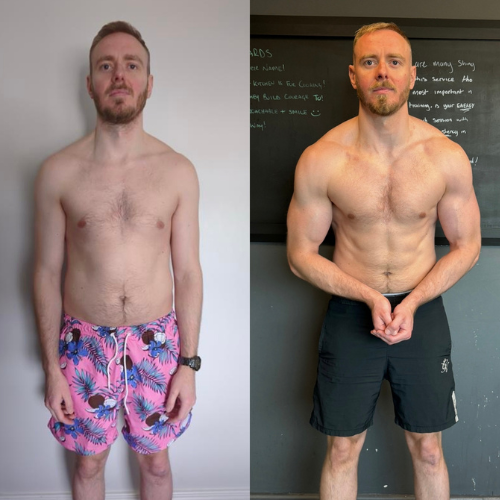
The key is progression. Gradually doing a little more over time, whether that is an extra repetition, a slightly heavier weight or better technique, leads to visible results without training every day. This works especially well for people balancing work and family life in Northern Ireland.
If You Work Shifts or Long Days
Shift patterns and long commutes make a fixed weekly timetable difficult. Instead of asking what you should do on Monday, ask what the minimum effective session looks like on your busiest day. A 25 minute session you complete beats a 60 minute session you skip.
Plan your sessions around your rota each week, and keep a short home workout in reserve for days when getting to a gym is not realistic. This flexibility is a big reason online coaching suits busy people in Ballymena and across Northern Ireland. You can read more about how it works in our guide to online coaching in Ballymena.
The Role of Mindset in Getting Fit
Your mindset can make or break your fitness journey. Many people give up because they feel they are not doing enough. In reality, doing something consistently is far more powerful than doing everything perfectly for a short time.
- Focus on what you can manage consistently
- Stop comparing your journey to others
- Accept that progress takes time
- Build habits instead of chasing motivation
When fitness feels achievable, it becomes part of your lifestyle rather than another source of stress.
Nutrition That Fits Real Life in Ballymena
You do not need extreme diets to get fit. A simple, balanced approach works best for long-term results.
- Eat regular meals
- Include protein at each meal
- Increase your fruit and vegetable intake
- Stay hydrated
- Allow flexibility for family meals and social occasions
Getting fit does not mean never having a takeaway or a meal out. It means knowing what to do the rest of the week, so one meal does not turn into a lost month. If you are curious about how fat loss works in practice, our beginners guide to calorie deficit explains it simply, and our free calorie calculator gives you a starting number.
Common Mistakes to Avoid
- Doing too much too soon, then burning out within a few weeks
- Following a different plan every month instead of sticking with one
- Judging progress by the scales alone
- Skipping rest and sleep, which are part of recovery
- Waiting for the perfect week to start
Why Personalised Coaching Makes Fitness Easier
Trying to figure everything out alone often leads to confusion and frustration. A personalised plan removes the guesswork and saves time. Working with Open to Change gives you:
- A fitness plan built around your schedule
- Clear guidance on training and nutrition
- Support and accountability
- Adjustments when life gets busy
- A realistic approach that fits Northern Ireland lifestyles
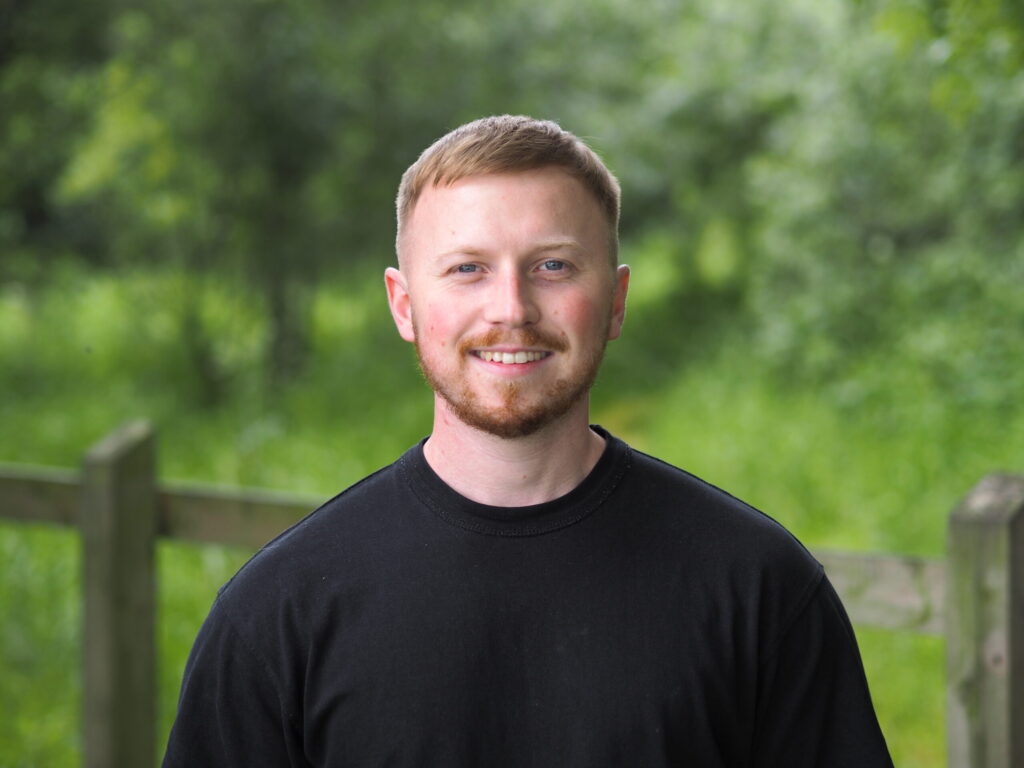
Ryan Kennedy coaches clients online from Ballymena. You can find out more on the personal trainer Ballymena page, or see how coaching works for weight loss for busy professionals.
Frequently Asked Questions
How many hours per week do I need to train?
Many people see good progress with around two to four hours a week, including walking, when training is structured and consistent.
Can I get fit without a gym?
Yes. Home training and daily movement can be very effective when combined with a clear plan.
How long before I see results?
Most people notice better energy and mood within a few weeks. Physical changes usually take longer, often six to twelve weeks, and vary from person to person.
Is it too late for me to start?
No. Adults of all ages start training every year. A plan that matches your current level makes it manageable.
What if I have an injury or a health condition?
Check with your GP before starting a new exercise programme. A good coach will build your plan around what you tell them.
Getting Started Without Overthinking It
You do not need to spend hours in the gym to get fit in Ballymena. You need a plan that fits your life, realistic expectations and the right mindset. Small, consistent actions lead to big changes over time.
If you want help building a plan that works around your lifestyle in Ballymena or anywhere in Northern Ireland, apply for coaching and we will arrange a free consultation call. A personalised approach could be the difference between starting again and finally staying consistent.