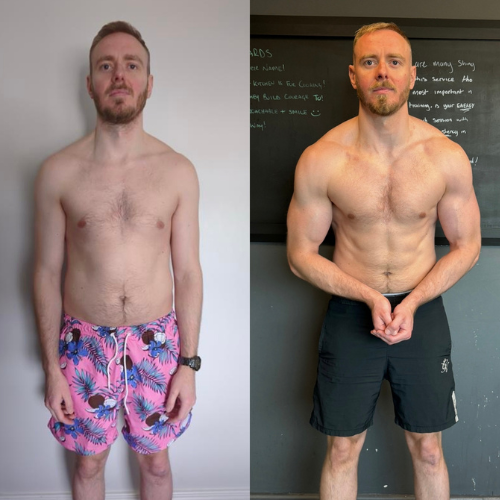
Beginners Guide to Calorie Deficit in 2026
Understanding how fat loss works can feel confusing when there is so much information online. The truth is simple. A calorie deficit is the foundation of weight loss in 2026 just as it has always been. When you learn how it works and how to apply it to your daily routine, you gain full control over your progress. This guide explains the science in simple terms and gives you practical steps so you can stay consistent.
What a Calorie Deficit Really Means
A calorie deficit means you are eating fewer calories than your body uses. When this happens, your body turns to stored energy for fuel, which results in fat loss over time. You do not need extreme diets, expensive supplements, or rigid meal plans. You only need a steady intake that sits below your total daily energy expenditure. This balance is the key to long term success.
Understanding How Your Body Burns Energy
Your daily calorie burn is made up of several parts. Learning these parts helps you understand why movement, lifestyle, and simple habits make such a big difference.
- BMR (Basal Metabolic Rate). The calories your body uses at rest for essential functions like breathing and circulation.
- NEAT (Non Exercise Activity Thermogenesis). Calories burned through general movement such as walking, cleaning, and fidgeting.
- Exercise Activity. Calories burned during structured workouts.
- Thermic Effect of Food. Calories used to digest food.
Most people are surprised to learn that NEAT often burns more calories than structured exercise. This means daily movement can be as important as your time in the gym.
How to Know Your Calorie Target
A good starting point is to estimate your maintenance calories. Once you know this, you can reduce your intake slightly to create a safe calorie deficit. A typical reduction is between two hundred and five hundred calories per day for beginners. This keeps the process steady and manageable. Extreme deficits may lead to fast results at first, but they often cause fatigue, loss of muscle, and low motivation. Slow and steady progress is more sustainable.
If you want personalised support, you can use the coaching services available at www.opentochange.co.uk. A tailored plan removes guesswork and helps you build habits that fit your lifestyle.
Choosing Foods That Support a Calorie Deficit
There are no bad foods. However, some foods make the process much easier. High protein meals, high fibre foods, and meals with plenty of volume help you feel full on fewer calories. This keeps your cravings lower and your energy stable throughout the day.
- Protein sources such as chicken, Greek yoghurt, eggs, tuna, tofu, and lean beef
- Fibre rich fruits and vegetables
- Whole grains like oats, rice, and wholemeal pasta
- Healthy fats in small portions such as avocado and nuts
It also helps to track your regular meals for a short period of time. This gives you a clear picture of your intake and helps you spot areas for easy improvements.
Why Protein Is So Important
Protein does more than help you feel full. It supports your metabolism, protects your muscle tissue, and improves recovery from exercise. If you increase your protein intake while in a calorie deficit, you are more likely to lose fat instead of losing muscle. Aim for protein in every meal and snack. Even small changes make a big difference over time.
Movement That Supports a Calorie Deficit
You do not need long workouts to achieve results. Consistent movement matters more than intensity. If you already enjoy the gym, resistance training is a powerful tool for shaping your body as you lose weight. If the gym is not your favourite place, daily walking is one of the most effective fat loss tools available.
- Aim for eight to ten thousand steps per day
- Do two to three strength sessions per week if possible
- Add gentle cardio such as cycling, rowing, or swimming if you enjoy it
Movement should feel realistic. The best plan is one you can stick to. If all you can manage right now is a daily walk, that is still progress.
How to Stay Consistent
Consistency is the biggest challenge for most people. Here are simple strategies that help you stay on track without feeling overwhelmed.
- Plan your meals. Preparing food at the start of the week removes last minute decisions.
- Keep your environment supportive. Stock your home with foods that align with your goals.
- Set realistic targets. Aim for small wins rather than perfection.
- Track progress in more than one way. Use photos, measurements, and how your clothes fit, not only the scales.
- Use accountability. Coaching, check ins, or a supportive friend can improve consistency.
Remember that weight loss is rarely a straight line. Your body weight will fluctuate. This is normal and does not mean you are failing. Focus on trends over weeks, not days.
Common Mistakes to Avoid
- Cutting calories too low too quickly
- Skipping meals and then overeating later
- Relying only on cardio and ignoring strength training
- Expecting fast results every week
- Comparing your progress to others
A calorie deficit works for everyone, but your timeline is unique. Stay patient and remember that results come from consistency and steady habits.
Why 2026 Is the Year to Focus on Health
The fitness industry in 2026 is shifting towards healthier, more sustainable practices. Long term habits are more effective than restrictive diets. More people now understand that small changes lead to lasting results. If you start now, you can build a healthy routine that supports you for years to come.
Your journey does not need to be perfect. It only needs to be consistent. Focus on manageable changes, nourish your body with the right foods, and keep moving each day. These simple steps are enough to reach your goals.
Work With a Coach Who Understands Real Life
If you want support, guidance, and a structured plan that suits your lifestyle, check out the coaching options at www.opentochange.co.uk. You will find plans tailored for beginners, busy parents, and individuals who want to create lasting habits rather than short term fixes.