Fitness Coach – Your Roadmap to Stronger, Healthier Living
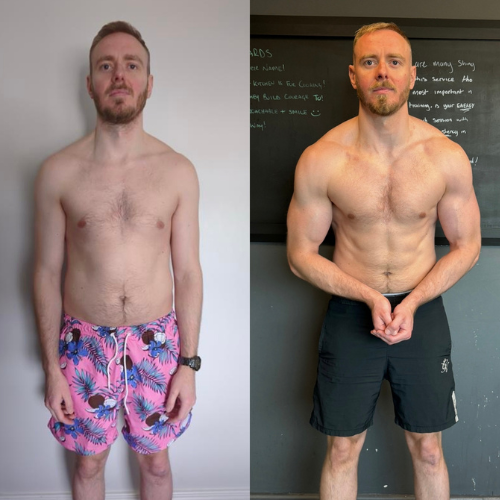
Open any social feed and you’ll see countless workouts promising rapid results. Yet for most people the missing link isn’t another random routine—it’s strategic guidance, individualised programming and a steady dose of accountability. That combination is precisely what a professional fitness coach provides. From busy professionals juggling deadlines to new parents rebuilding strength, women chasing performance goals to older adults preserving mobility, the right coach crafts a plan that meets you where you are and grows alongside you. This comprehensive guide (over 1 500 words) explains why coaching matters, how to find the best fit, and which pitfalls to sidestep so you can unleash your full potential.
Why Working with a Fitness Coach Matters
Global inactivity rates remain stubbornly high; the World Health Organization reports that one in four adults fails to reach basic activity recommendations. Lack of structure, poor form and waning motivation derail many well-intentioned exercise plans. A qualified coach counters each obstacle through:
- Personalised programming. Forget cookie-cutter workouts; a coach designs a tailored workout plan based on your goals, limitations and schedule.
- Technique oversight. Video feedback from a virtual personal trainer prevents injury and accelerates skill acquisition.
- Evidence-based nutrition. Integrated nutrition support ensures your diet fuels training instead of sabotaging it.
- Behaviour change coaching. Habit-stacking, mindset reframing and mind-body coaching help you stay consistent when life gets busy.
When these pillars align, progress becomes inevitable rather than hopeful.
The Core Benefits You’ll Feel and See
Increased Strength and Metabolism. Progressive overload—adding reps, sets or resistance over time—stimulates muscle growth. Extra lean mass raises resting metabolic rate, making weight control easier.
Improved Mobility and Posture. Mobility drills woven into each session lengthen tight muscles and strengthen weak links, reducing pain and enhancing daily movement.
Elevated Energy and Mood. Structured exercise boosts mitochondrial density and releases endorphins, combating fatigue and stress.
Enhanced Confidence. Tracking tangible wins—first unassisted pull-up, faster 5 km, consistent sleep—builds self-belief that transcends the gym.
How to Get Started with a Fitness Coach
- Define Clear, Measurable Goals. Replace “get fit” with “reduce body-fat by 5 % and squat 1× body-weight within 20 weeks.” Specificity informs programme design.
- Vet Credentials and Experience. Look for coaches certified by bodies such as NASM, ACSM or CIMSPA. Browse testimonials on Open to Change coaching, noting client stories similar to your own.
- Book a Discovery Call. This no-pressure chat lets you gauge rapport, discuss hurdles and explore online fitness plans that fit your budget and lifestyle.
- Set Up Your Environment. A yoga mat, adjustable dumbbells and resistance bands provide hundreds of exercise variations. Your coach may suggest upgrades later—see see membership options for kit bundles.
- Commit to Data Tracking. Wearables sync with the coaching app so trainer and client can adjust volume, intensity and recovery in real time.
Common Pitfalls—and How to Avoid Them
- Program Hopping. Switching routines weekly prevents progressive overload. Trust your fitness coaching roadmap and review milestones every four weeks, not four days.
- Under-recovering. Strength gains occur during rest. Respect deload weeks and prioritise sleep hygiene.
- Scale Obsession. Weight can fluctuate daily due to hydration and hormones. Track circumference, photos and strength PRs for a fuller picture.
- Extreme Dieting. Severe calorie cuts spike cortisol and sap energy. Balanced macro targets and recipe packs from learn more here sustain performance and mood.
Why Choose Open to Change as Your Coaching Partner?
- Holistic Expertise. From fat-loss newbies to advanced athletes, coaches craft scalable programmes, including a specialised women’s strength programme and 50-plus functional training.
- 24 / 7 Support. Unlimited messaging provides on-the-spot form checks and pep talks—ideal for home workouts or travel.
- Community Challenges. Monthly leader-boards and group chats transform solo goals into shared victories.
- Budget Flexibility. Tiered packages range from group coaching to one-to-one mentorship; every tier includes tailored workout plans and progress dashboards.
Sample Week in a Balanced Training Block
| Day | Focus | Duration |
|---|---|---|
| Monday | Lower-body strength (squats, deadlifts, hip thrusts) | 40 min |
| Tuesday | HIIT & core circuit | 30 min |
| Wednesday | Mobility flow & breathwork | 25 min |
| Thursday | Upper-body push/pull supersets | 35 min |
| Friday | Steady-state cardio (rower or brisk walk) | 30 min |
| Saturday | Full-body metabolic finisher + stretching | 40 min |
| Sunday | Active recovery (family hike, gentle yoga) | Relax |
Client Success Stories
- Hannah, 32: Balancing a demanding marketing role, she used three 30-minute sessions and macro coaching to lose 10 kg in five months while doubling her push-up reps.
- Marcus, 47: Desk-induced back pain vanished after targeted core work and mobility drills. He now deadlifts 1.5 × body-weight through the virtual personal trainer platform.
- Grace, 56: Joined the women’s strength programme, improved bone density scores and hiked Snowdon with her grandchildren.
Advanced Features to Elevate Your Results
- Velocity-Based Training. Bar-speed trackers help coaches select optimal loads for power and hypertrophy phases.
- Heart-Rate Variability Monitoring. Daily HRV informs recovery prescriptions—extra rest or a green light to push.
- AI Food-photo Logging. Snap meals; the app suggests macro estimates and healthier swaps.
- Habit Gamification. Badges for water, steps and mobility create dopamine feedback loops that reinforce behaviour.
Frequently Asked Questions
Do I need a gym membership? No. Many clients achieve dramatic results with home kit. Gym access simply expands exercise variety.
How quickly will I see progress? Energy usually improves within two weeks, strength gains by week four and visible physique changes by week eight, provided nutrition aligns with training.
Can coaching adapt to injuries? Absolutely. Coaches liaise with physiotherapists and modify loads, ranges of motion or exercise selections to maintain training momentum safely.
Ready to Take Action?
Book your free call now to match with an Open to Change fitness coach and turn your goals into a personalised, data-driven success plan.