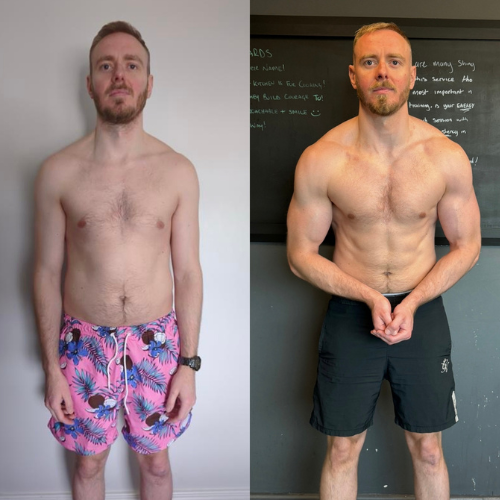
Online Personal Trainer Fitness: Your Complete Guide to Training Anywhere, Anytime
Meetings, commuting, family commitments—modern life rarely leaves room for fitness. Yet the rise of online personal trainer fitness platforms means you no longer need to sacrifice health for productivity. By combining video-based coaching, app-driven progress tracking and bespoke nutrition frameworks, virtual trainers such as those at Open to Change compress expert guidance into a format that fits any diary or budget.
This in-depth guide (around 1 700 words) breaks down everything you need to know: the tangible benefits of online coaching, what a typical session looks like, how to integrate workouts into a hectic lifestyle, and the exact steps to pick a trainer who will turn goals into milestones. Along the way you’ll find multiple links to evidence-based programmes, nutrition resources and habit-tracking tools that make implementation simple.
Why Choose an Online Personal Trainer?
According to a 2024 review in Harvard Health Publishing, the three pillars of a successful routine are consistency, customisation and convenience. Online coaching nails all three:
- Schedule freedom. Slot a 30-minute strength session before the school run or a mobility flow during lunch—no commute, no queue for equipment.
- Tailored programming. A coach at Open to Change coaching writes periodised plans around your equipment, injuries and goals, then updates loads and reps as you progress.
- Cost efficiency. Virtual memberships start at a fraction of in-person PT rates yet still include weekly check-ins and 24⁄7 chat support.
- Global expertise. Tap into niche specialists—pre-/post-natal, marathon prep, vegan performance—without geographic limits via the coach directory.
- Built-in accountability. App reminders and habit streaks keep you honest; your trainer reviews logged sets every week inside the mobile dashboard.
Anatomy of a Virtual Session
- Dynamic Warm-Up (5–10 min). Expect mobility drills and activation work streamed via live video or pre-recorded clip, chosen from the movement library.
- Main Block (25–40 min). Strength supersets, HIIT circuits or skill practice based on your plan. Real-time cues (“brace core,” “knees track toes”) protect joints and ensure progressive overload. All exercises link to how-to clips on exercise demos.
- Cool-Down & Recovery Tips (5–10 min). Static stretches, breathwork and recovery-day protocols (foam rolling, mobility flows) prep you for the next workout.
Step-by-Step: Getting Started
1 · Define Your Targets
Replace “get fitter” with “deadlift body-weight within 16 weeks” or “drop 5 cm from waist by summer.” Clear metrics guide the goal-setting worksheet.
2 · Book a Discovery Call
Use the free strategy session to confirm your coach’s credentials, communication style and specialisms.
3 · Audit Equipment & Space
Even a yoga mat, resistance bands and a sturdy chair are enough. See the home-kit starter guide for budget picks.
4 · Download the Training App
This houses your workouts, habit trackers and nutrition logs. A stable internet connection is the only technical must-have.
5 · Execute, Review, Refine
Complete sessions, upload form videos, then meet your coach weekly via Zoom or the in-app messenger for feedback and plan tweaks.
Sample Weekly Templates
Beginner (3 Days)
- Monday · Full-Body Strength A
- Wednesday · HIIT + Core from the quick-fire workout bank
- Friday · Full-Body Strength B
Intermediate (4 Days)
- Mon · Upper Push/Pull
- Tue · Lower Strength
- Thu · Full-Body Metabolic Circuit (video demo on the exercise portal)
- Sat · Mobility Flow + Steps Challenge (log via habit tracker)
Advanced (5 Days)
- Push · Bench & Accessory Press
- Pull · Weighted Chins & Row Variations
- Legs · Squat/Deadlift rotation
- HIIT · Assault-Bike Sprints (see conditioning templates)
- Glute/Arm Finisher + Core Stability
Integrating Fitness into a Busy Life
- Calendar Blocking. Treat workouts like board meetings—non-negotiable slots using the session scheduler.
- Micro-Workouts. Ten-minute kettlebell flows or desk stretch routines still count; grab them from the micro-session archive.
- Habit Pairing. Perform glute bridges while watching TV or lunges during kid-practice breaks; log reps in the daily checklist.
Common Roadblocks and Fixes
- Motivation dips. Revisit your vision board inside the mind-set module and celebrate micro-wins weekly.
- Tech overwhelm. A single onboarding call walks you through app use—recordings housed in the help centre.
- Inconsistent nutrition. Use premade 10-minute recipes from the macro-friendly cookbook.
Choosing the Right Online Trainer
- Check recognised certs (CIMSPA, NASM) on the coach profile page.
- Match specialism—fat loss, strength, rehab—via the service filter.
- Read client testimonials for social proof.
- Ensure pricing fits: starter, accelerator, VIP tiers all outlined under membership options.
Is It Worth the Investment?
When a structured plan trims wasted time, slashes injury risk and delivers faster body-composition change, most clients recoup costs through boosted productivity, fewer physio bills and a longer health span. And with virtual coaching packages starting under £4 per day at Open to Change, expert guidance is no longer a luxury.
Ready to Transform?
Claim your free consultation now and receive a personalised road map—custom workouts, macro targets and accountability tools crafted around your schedule, your equipment and your goals.